top of page
PROFILE
FILM
TV
DIGITAL
DGA COMMUNITY
GALLERY
PRESS
CONTACTS
digital
Various digital projects I directed.
CLICK TO PLAY OR PAUSE
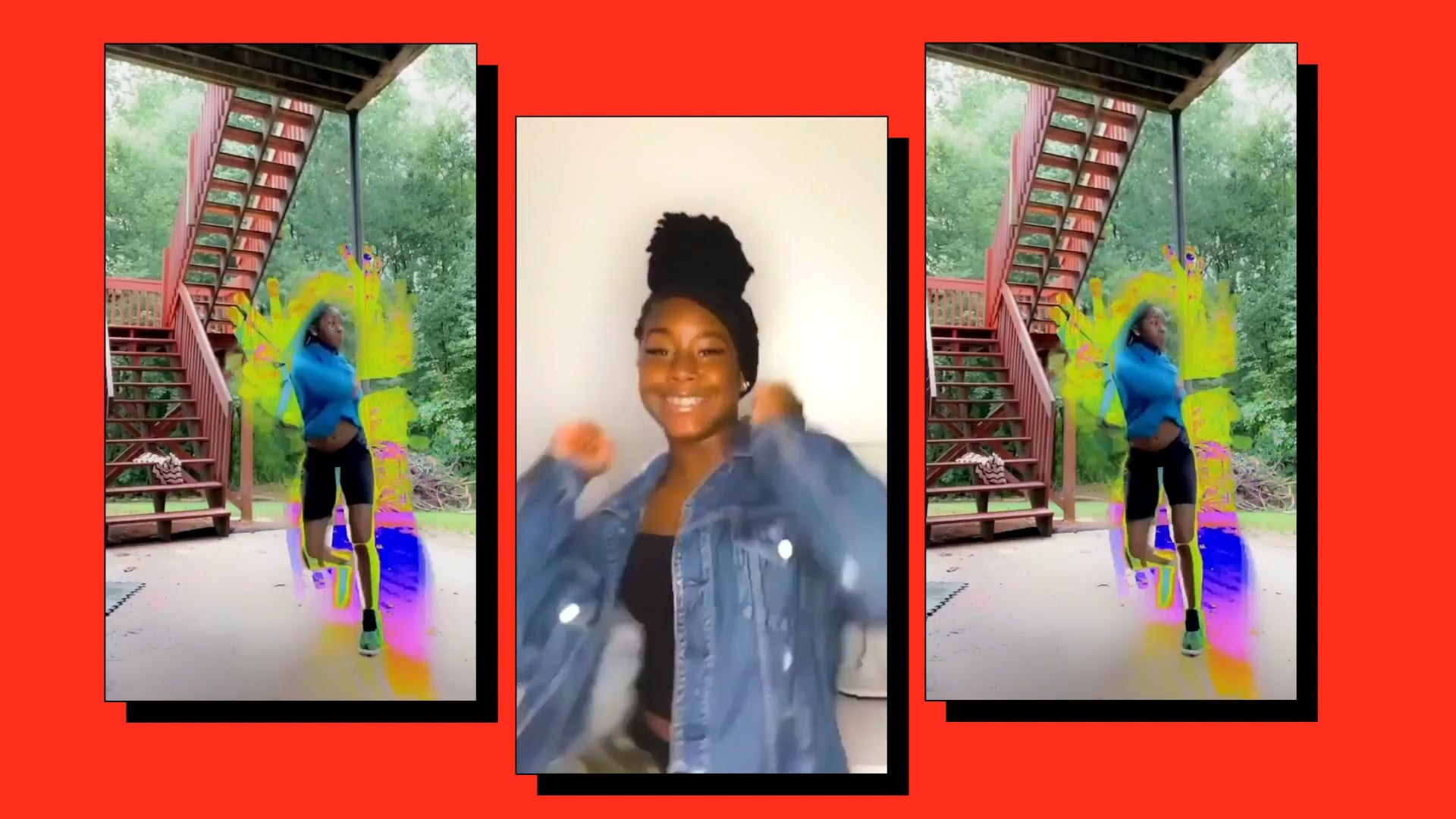
FACEBOOK BUY BLACK FRIDAY
All Categories
Play Video
Play Video
"Appreciation"
Play Video
Play Video
"Black Dollar"
Play Video
Play Video
"Support Has Many Shades"
KNOLL
All Categories
Play Video
Play Video
Branded Content Film "Why Unscripted?"
Play Video
Play Video
"Introduction"
TV DOCUMENTARY
All Categories
Play Video
Play Video
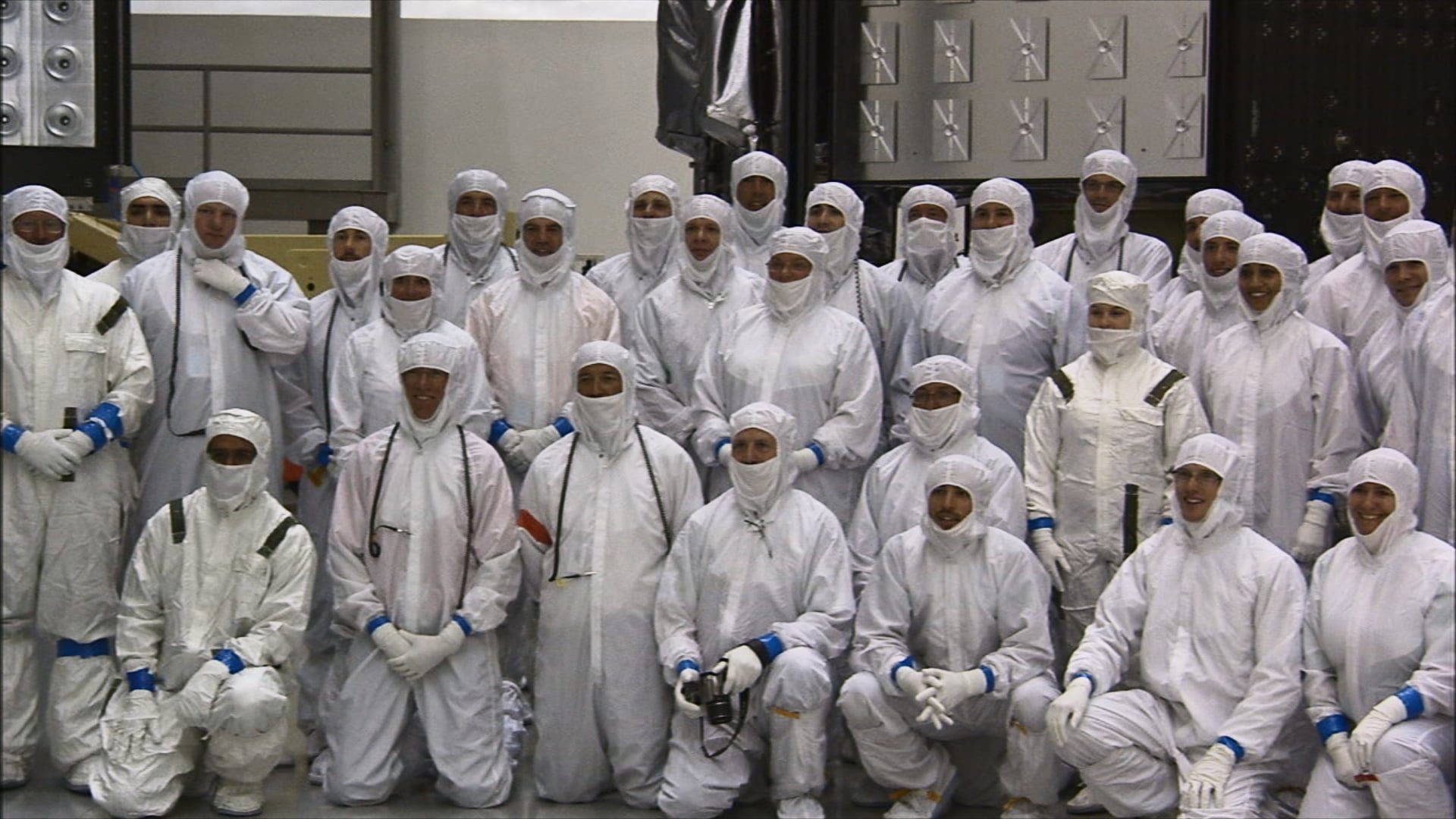
Juno Engineering: Precision Matters
The Juno spacecraft posed extreme design challenges for the engineers. Juno would be the first solar-powered spacecraft to operate so far from the Sun. It traveled through magnetic fields 20 times stronger than any previous spacecraft. It operates deep within Jupiter’s hazardous radiation belts. The Juno team had to be very strategic about protecting Juno’s “vital organs” and sensitive science instruments from the elements, ensuring that the spacecraft would survive launch and the harsh environment once inserted into orbit about Jupiter. And no matter how much planning and testing is done, contingency plans are always necessary to cope with uncertainties. "Juno went from proposal to launch in about five or six years and that seems like a really long time but most of the little steps in between always feel really rushed. There’s never enough time to do something that’s never been done before." — Heidi Becker, Investigation Scientist & Radiation Monitoring Investigation Lead, JPL Team Members: Heidi Becker, Scott Bolton, Jack Connerney, Jennifer Delavan, Matt Johnson, Rick Nybakken, Maria Schellpfeffer, Paul Steffes Credit: NASA/JPL/SwRI (For more information about Juno, visit https://www.nasa.gov/juno and https://www.missionjuno.swri.edu)
Play Video
Play Video
Citizen Scientists: Data for the World
JunoCam is the "citizen science" camera on board Juno. As the spacecraft orbits Jupiter, JunoCam snaps pictures of the planet from different angles and radial distances, targeting features identified in part through the collaborative efforts of the amateur astronomer community. JunoCam’s imagery is sent back to Earth and posted to the Mission Juno website, where the general public may download them for subsequent image processing. The images processed by these citizen scientists are returned to the Mission Juno website and range from detailed scientific imagery and analyses to beautiful works of space-themed art. "The idea that you can couple our scientific imaging and understanding of the planet, with artistic representations of not only what the planet means but what exploration means, has been very valuable to the mission– and to the public." — Paul Steffes, Investigator, Georgia Tech Team Members: Scott Bolton, Candice Hansen, Rick Nybakken, Glenn S. Orton, Paul Steffes Credit: NASA/JPL/SwRI (For more information about Juno, visit https://www.nasa.gov/juno and https://www.missionjuno.swri.edu)
Play Video
Play Video
Mission Juno to Jupitor: Commanding the Spacecraft
Play Video
Play Video
The Story of Data: Unexpected Data Discoveries from Juno
Every piece of data captured by Juno’s instruments is transmitted back to Earth and analyzed by the Spacecraft Operations team and the Science instrument teams. Those datasets are then passed to the entire Juno Science team, for use in understanding what is going on in and around Jupiter. Juno’s observations often reveal unexpected discoveries, forever changing us and our understanding of giant planets. “The key is recognizing something you don’t understand in your data, and drilling down on that to discover things that you never anticipated when you set out to do this job.” — Jack Connerney, Deputy Principal Investigator & Magnetometer Investigation Lead, GSFC Team Members: Heidi Becker, Scott Bolton, Jack Connerney, Matt Johnson, Paul Steffes, Marla Thornton Credit: NASA/JPL/SwRI (For more information about Juno, visit https://www.nasa.gov/juno and https://www.missionjuno.swri.edu)
bottom of page